Go beyond the pitch with the personalities that power MLS. With unprecedented access to players, coaches and clubs, this series explores the electrifying moments and captivating stories that make the 2024 season unforgettable.
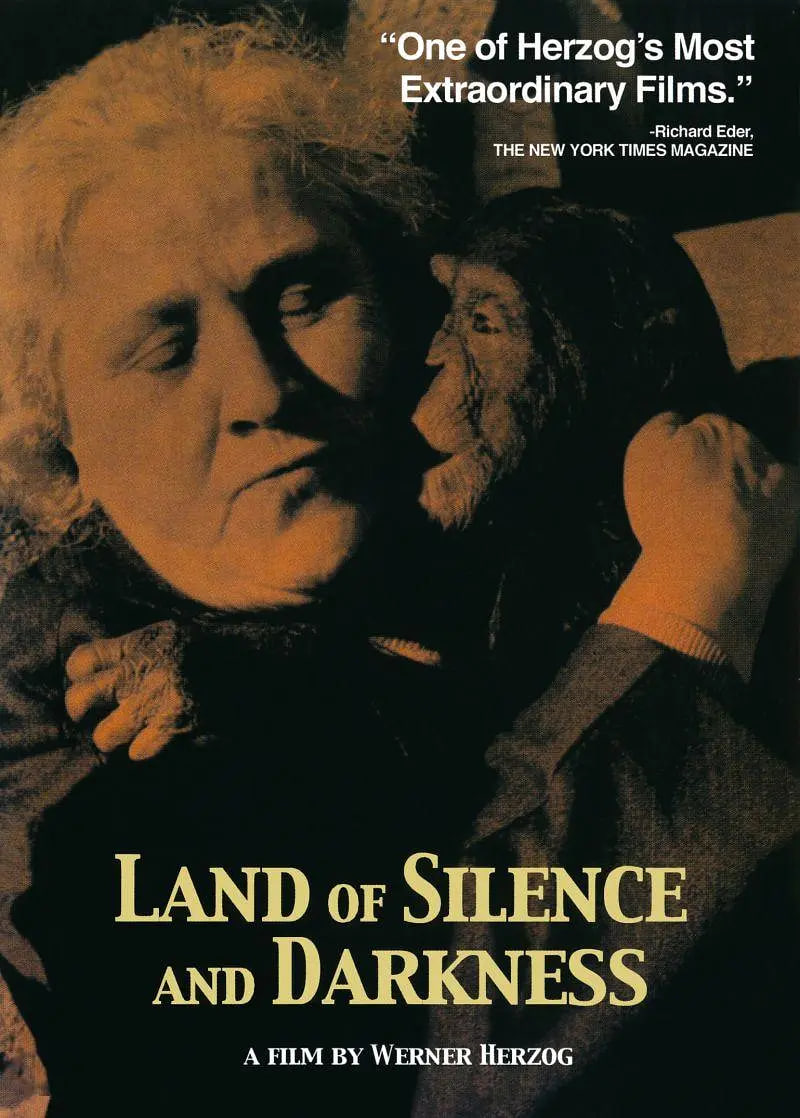
Fini Straubinger, 是既聋又瞎的老妇,从她十几岁起就这样。通过对她的纪录,关照整个聋瞎人群。 这部影片显示聋瞎人的奋斗,让你了解和接受他们几乎完全与世隔绝的世界。获奖:1971年曼翰姆-海德堡国际电影节最佳电影
如何在21世紀尋覓人才?位於布拉格的藝術學院(AVU)每年都會舉行入學考試。片中紀錄了三個不同的工作室,觀察老師們所面臨的嚴峻挑戰:如何在申請者中找到黑馬?雀屏中選的新血們,將如何塑形藝術世界?老師們如何經得起考驗?天份測試終將成為一門藝術。而藝術在當今混亂的世界中,又扮演著什麼角色?
印度尼西亚每天使用 9300 万根一次性吸管。它们与其他塑料废物一起最终进入海洋,分解成微塑料,被海洋生物吃掉,最后出现在我们的盘子里供我们食用。这部纪录片改编自电影制片人在全国各地拍摄的一系列电影,向印度尼西亚人展示他们所面临的问题的严重性。巴厘岛歌手格德·罗比 (Gede Robi) 将塑料污染问题作为他个人的奋斗目标。他与来自东爪哇的生物学家兼河流守卫普里吉·阿里桑迪 (Prigi Arisandi) 联手,抗议印度尼西亚进口废塑料。他们一起收集有关塑料污染程度的证据。他们会见专家、活动人士并进行研究(包括对他们自己的研究),以了解塑料对我们的环境和健康的影响。
暂无简介
在非洲卢安瓜河谷,一头年老、满身战痕的公河马回望自己传奇的一生。它一只眼睛失明,身躯遍布深深伤痕,然而曾经它是这片星球上最大河马聚居地中的无冕之王。本纪录片讲述这头公河马跨越三十五年的生命历程。从脆弱幼崽起步,它面临鳄鱼、狮子环伺,依靠母亲的全力守护艰难成长。族群内部的混乱与争斗、旱季河道干涸、同类的死亡,都让它过早见识到残酷的自然法则。母亲离世后,它被逐出出生的族群,只能在新的河马群体中以谦卑姿态求生存。然而,它学会了坚韧与忍耐,懂得如何在严酷的旱季与雨季交替中活下去。随着岁月更迭,它逐渐壮大,体型与獠
本纪录片由一群受害者和吹哨人共同揭露了美国“童子军训练营”中长达数十年的性虐待黑幕及其造成的严重社会后果。
剧情简介暂缺,敬请期待
Over seven years, three couples involved in the extreme sport of BASE jumping test the limits of love and life itself. Risking everything for the thrill of the jump, their dedication is put to the ultimate test.
A celebration of music and rallying cry across generations, genres, anchored by female icons whose songs and activism inspired the fight for equality, empowering all.
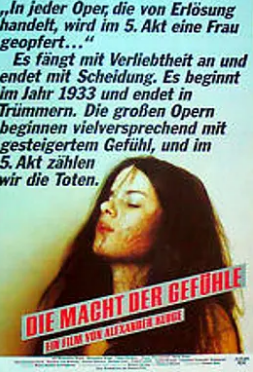
The Power of Emotion explains that emotion isn't to be confused with sentimentality. Emotion is ancient and more powerful than any art form. The film looks at young couples who run into difficulties as they try to translate their experiences of love into clear decision-making. A woman who has shot her husband provides a judge with a puzzle. Those who love can bring the dead back to life by means of co-operation. That's the focus of the opera, "The Power Plant of Emotions" and the "Opera of the 20th Century" cinema. Alexander Kluge: The Power of Feeling When I started working on The Power of Feeling, I was not in a rational state. I did not say, I have a subject and now I will make a film about it. Instead I was spellbound and observed in my direct surroundings, for example, how feelings move. I have not really dealt with the theme of my mother's death and the fact that she was the one who taught me "how feelings move." Nor have I dealt with how she died. That was an entire palette of feelings: "All feelings believe in a happy end," and everyone believes tacitly that they will live forever: The entire palette is somehow optimistic, a positive attitude towards life having been put on the agendaas long as she was young, as long as her body held out, from one day to the next she collapsed. She just suddenly collapsed, like in an opera where disaster takes the stage in the fifth act. It felt as if I had observed an air raid or a disaster. The film The Power of Feeling is not about feelings, but rather their organization: how they can be organized by chance, through outside factors, murder, destiny; how they are organized, how they encounter the fortune they are seeking.What is all this organization of feelings about? Generally feelings tend to be a dictatorship. It is a dictatorship of the moment. The strong feeling I am having right now suppresses the others. For thoughts this would not be the case. One thought attracts others like a magnet. People therefore need affirmation by other people to be sure about their own feelings (to counteract the acquisition of their feelings through outside forces). Through the interaction of many people, for example, in public, the various feelings also have a magnetic attraction to one another just like thoughts do. Feelings communicate through their manifestation in public. The cinema is the public seat of feelings in the 20th century. The organization is set up thusly: Even sad feelings have a happy outcome in the cinema. It is about finding comfort: In the 19th century the opera house was the home to feelings. An overwhelming majority of operas had a tragic end. You observed a victim. I am convinced that there is a more adventuresome combination: Feelings in both the opera and traditional cinema are powerless in the face of destiny's might. In the 20th century feelings barricaded themselves behind this comfort, in the 19th century they entrenched themselves in the validity of the lethal seriousness.